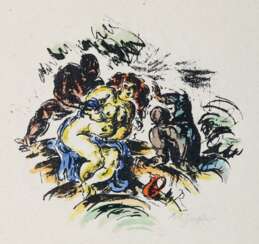
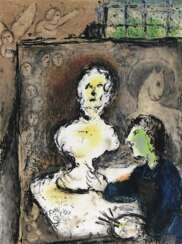
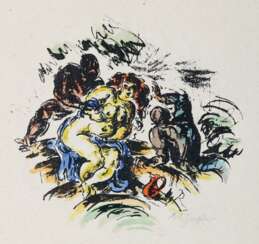
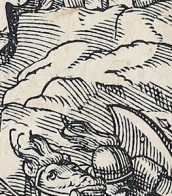
lithograph<br />
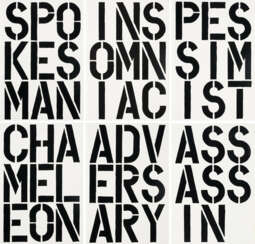

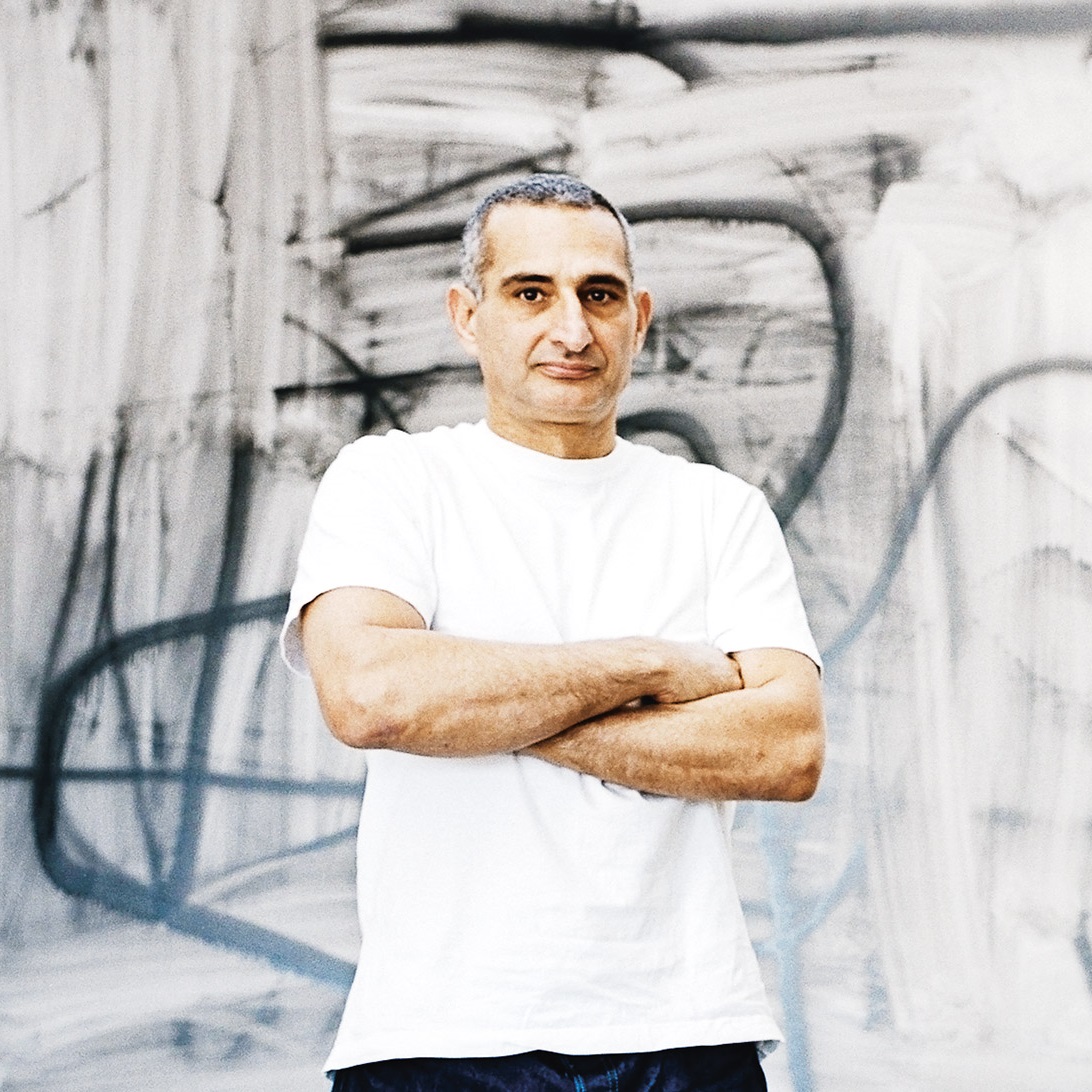
Christopher Wool is an American artist. Since the 1980s, Wool's art has incorporated issues surrounding post-conceptual ideas. He lives and works in New York City and Marfa, Texas, together with his wife and fellow painter Charline von Heyl.
Wool is best known for his paintings of large, black, stenciled letters on white canvases. Wool began to create word paintings in the late 1980s, reportedly after having seen graffiti on a brand new white truck. Using a system of alliteration, with the words often broken up by a grid system, or with the vowels removed (as in 'TRBL' or 'DRNK'), Wool's word paintings often demand reading aloud to make sense.

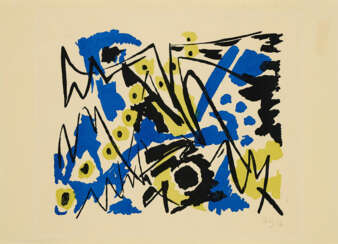

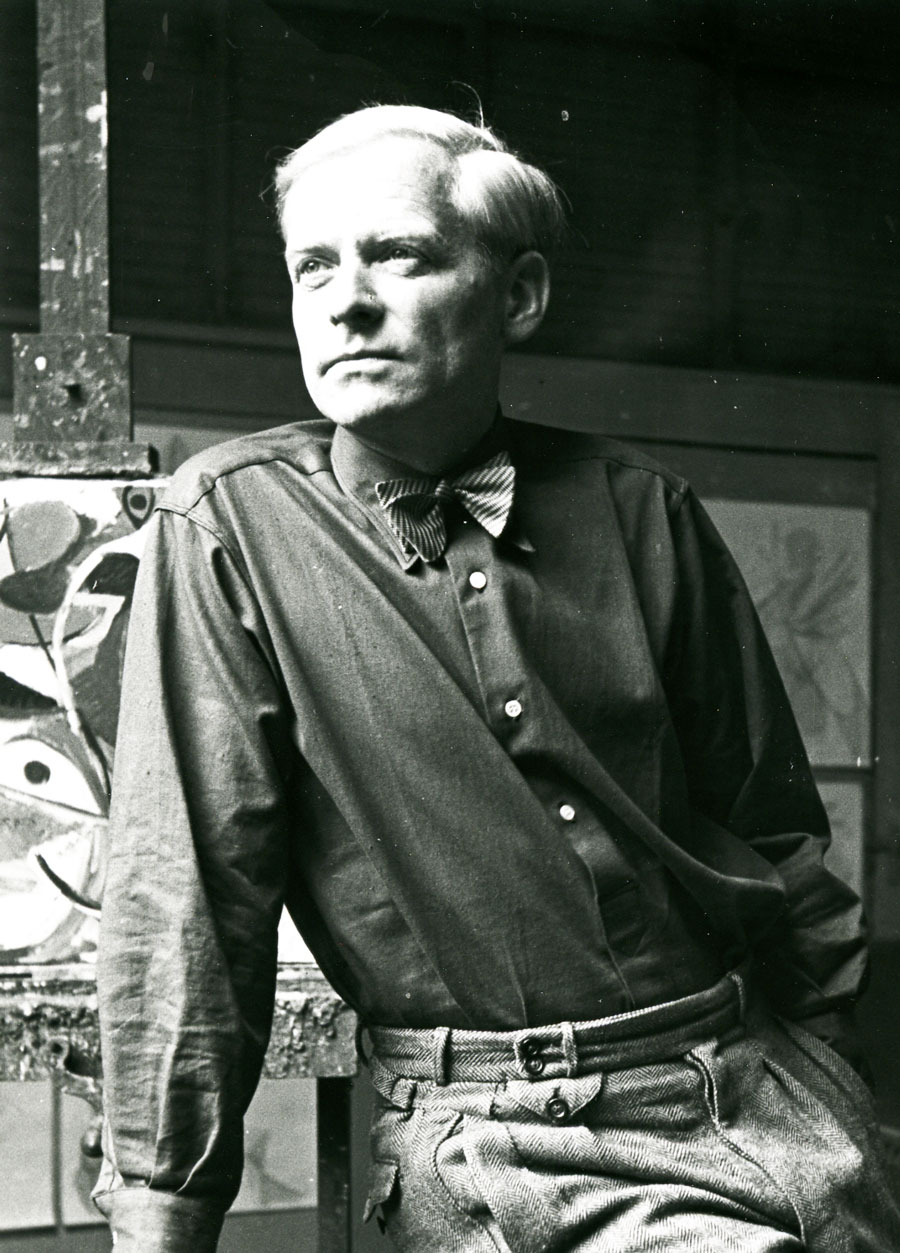
Ernst Wilhelm Nay was a German painter and graphic designer of classical modernism. He is considered one of the most important painters of German post-war art.




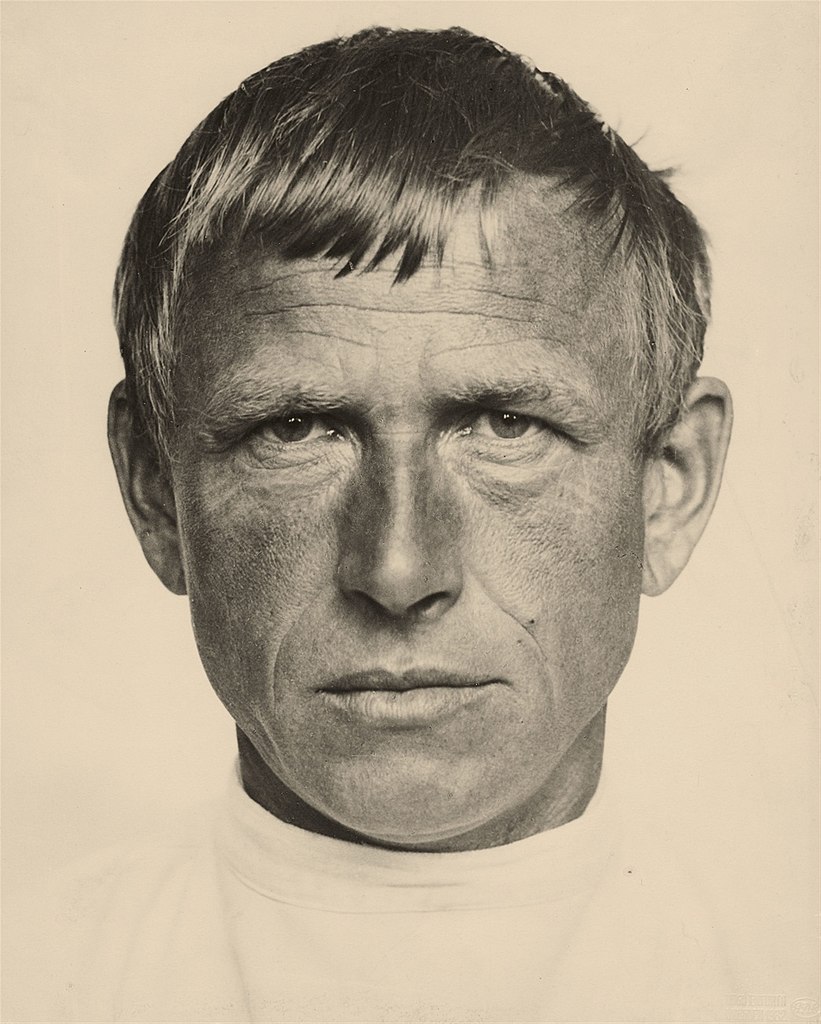
Wilhelm Heinrich Otto Dix was a German artist whose work stands as a stark, unyielding reflection of the societal tumult and trauma of the early 20th century. Born in 1891 in Untermhaus, Germany, Dix's early life was steeped in the arts, his ambition to become an artist nurtured by both familial influence and formal education in Dresden. His experiences as a soldier in World War I deeply influenced his artistic direction, leading him to vividly depict the horrors of war and the decay of the Weimar Republic with a brutal realism that became his signature style.
Dix's association with the Dada movement and the New Objectivity (Neue Sachlichkeit) further honed his critical, often cynical portrayal of post-war society. His works, such as "The Trench" and "War Cripples," expose the visceral aftermath of conflict, while his engagement with the Dadaists imbued his art with a disruptive, confrontational energy against societal norms and the art establishment.
Perhaps most notable is Dix's ability to capture the psychological depth and societal critiques through his portraits and landscapes, which ranged from the grotesque to the surreal. Paintings like "Portrait of the Journalist Sylvia von Harden" and the triptychs "Metropolis" and "War" are emblematic of his keen observation and stark depiction of the era's social and political unrest.
Despite facing significant adversity, including being labeled a degenerate artist by the Nazi regime and facing professional and personal setbacks, Dix's legacy as a painter and printmaker endures. His works are not only historical documents but also profound reflections on humanity, war, and society, resonating with collectors and art experts alike.
For enthusiasts of culture, art, and history, Dix's oeuvre offers an unflinching look into the human condition under the strain of societal and political upheaval. His contributions to painting and printmaking continue to be celebrated in museums and galleries worldwide, underscoring the enduring relevance of his work.
For those interested in exploring the profound depth and historical significance of Otto Dix's work, signing up for updates on new product sales and auction events related to his art can provide invaluable insights. This subscription is a gateway to staying informed about opportunities to engage with the tangible pieces of Dix's enduring legacy.